News & Resources
Guides


On paper, port drayage is easy: a container lands, a truck picks it up, and your freight rolls ahead to the next stop. In reality, that same container can sit behind a terminal gate for days while fees tick up and drivers are demanded elsewhere.
Even though the miles are small, the stakes are big. Container drayage is where ocean freight becomes your problem, from demurrage and detention to congestion and missed delivery windows.
This guide explains what port drayage is, why it matters for the rest of your supply chain, and how treating it as part of a connected network, not a one-off truck move, keeps your costs in check.
Port drayage is the short truck move that connects an ocean container to the rest of your supply chain. After a ship arrives at a marine terminal, a drayage driver picks up the container and hauls it a short distance. Usually, that’s to a warehouse, rail ramp, or cross-dock nearby. It’s only a few miles, but it’s the step that turns an ocean container into something you can actually use.
Port drayage is different from regular trucking because:
Drayage shows up in many parts of the supply chain, including:
Any time a truck is shuttling a container between a seaport and the next node in your network, you’re looking at port drayage.
People often use “port drayage” to describe any short-haul container transport near a port, but there are a few different types depending on what the shipment needs. Here are the ones most shippers come across:
1. Pier Drayage (port → nearby facility)
This is the standard drayage move: a driver pulls a loaded container from the marine terminal and takes it to a warehouse, rail ramp, or cross-dock. It’s the main link between the port and your inland network.
2. Inter-Carrier Drayage (between terminals or modes)
Sometimes containers need to move between two carriers or facilities—for example, from an ocean terminal to a rail yard. These quick transfers help your freight switch networks smoothly.
3. Shuttle Drayage (overflow and yard moves)
When the port or your warehouse is tight on space, containers get shuttled to a nearby yard for temporary storage. This relieves congestion and buys you time before the next move.
4. Door-to-Door Drayage (port → final destination)
For receivers located near the port, the container goes straight from the terminal to the consignee’s dock—no cross-dock or warehouse in between. This can simplify handling and speed up final delivery.
Port drayage sounds simple, but the process has several steps behind the scenes. Here’s how it works:
1. Before the ship arrives
Planning starts early. Your team, freight forwarder, or drayage provider watches vessel schedules, files customs entries, and checks for holds or unpaid fees. The goal is to make sure your container is fully released and ready the moment the port makes it available.
2. The container becomes available
Once the vessel is unloaded, the terminal updates the container status to “available.” Some ports require appointments for pickup or empty return, and those windows can fill quickly. A good provider prioritizes containers based on free time and any risk of fees.
3. Pickup at the terminal (gate-in, chassis, retrieval)
On pickup day, a driver checks in at the terminal, secures a chassis, and retrieves the container from its designated stack. Terminal wait times can vary widely, and long lines can shrink how much work a driver can complete in a day.
4. Delivery to its next stop
After leaving the port, the container heads to one of several possible destinations:
These options help you get the container out of the terminal quickly.
5. Empty return or street turn
Once the container is unloaded, the empty box must be returned to the correct terminal or depot before detention fees start. Each steamship line has its own rules about where and when empties can be accepted.
In some areas, a driver can perform a street turn, dropping the empty at a nearby exporter for immediate reuse instead of returning it to the port. This saves time, fuel, and congestion.
Although container drayage is a short move in distance, it’s where a lot of risk and hidden costs live.
Where things go wrong
Most unexpected costs in port logistics come from:
These issues aren’t random; they often stem from misalignment between customs clearance, drayage, warehousing, and inland transportation.
Why good drayage strategy matters
When drayage is handled intentionally, it becomes a point of control:
1. “The container is available, but we can’t get an appointment.”
Terminal appointment systems often fill up within minutes. When the only open slots don’t align with your dock hours or a driver’s schedule, the container sits idle.
How shippers handle it:
Share forecasts early, let your drayage provider know which containers are highest priority, and be flexible with receiving hours when possible.
2. Chassis and equipment aren’t where you need them
A container can’t leave the terminal without the correct chassis. Drivers sometimes waste hours checking multiple pools or terminals, only to find the right equipment is unavailable or not allowed at that terminal.
How shippers handle it:
Work with carriers that control their own chassis or have reliable access to pools. For consistent import volume, some companies reserve dedicated chassis so equipment is always ready when containers become available.
3. Paperwork or customs issues stall the container
A missing HS code, unpaid fee, or uncleared hold can freeze a perfectly timed drayage plan. By the time someone notices, free time is already running out.
How shippers handle it:
Assign clear ownership of “release readiness.” One team (or one logistics partner) should monitor holds, confirm documents, and verify customs status before any scheduling happens.
4. Terminal rules change week to week
Ports adjust empty return rules, equipment restrictions, lanes, and hours constantly. What worked last week may not work today, and missed changes can lead to extra trips or rejected empties.
How shippers handle it:
Stay close to carriers who track terminal updates daily. Many 3PLs also use near-port yards to create buffer space and limit the last-minute scrambling that happens when rules shift suddenly.
5. Congestion slows everything down
Long wait times at gates and limited yard capacity reduce how many containers a driver can retrieve in a day. This bottleneck is especially common during peak season or vessel bunching.
How shippers handle it:
Use pre-pulls, cross-docks, or flexible receiving hours to smooth out the workload instead of fighting through the same midday spike as everyone else.
A strong drayage partner should be able to explain:
1. How they handle planning and visibility
Do they track vessel schedules, free time, and release status proactively?
Can they prioritize containers based on your deadlines, not just theirs?
Do they alert you when something changes?
The best providers make drayage feel predictable, not reactive.
2. How they navigate terminals and appointment systems
Ports change rules often. A reliable partner knows the patterns, understands each terminal’s quirks, and reacts fast when appointment windows shift or empty return options change.
3. How they integrate with warehousing and inland transportation
Drayage shouldn’t be a standalone service. The right partner will coordinate with your cross-dock, DC, or inland carriers so freight flows smoothly instead of piling up at the wrong place at the wrong time.
4. How they keep costs under control
This goes beyond rate sheets. It includes preventing detention and demurrage, using near-port options when needed, and coordinating timing so you’re not paying for delays that could have been avoided.
Most of the headaches at the port happen in the margins, not because something went wrong, but because no one was watching closely enough.
We stay close to the details that usually get overlooked: release readiness, chassis access, empty-return shifts, warehouse timing, and downstream commitments. That way, your containers don’t sit behind a gate or tie up your docks.
Our goal isn’t just to get your container out of the port. It’s to make the entire port-to-DC flow calmer, clearer, and more dependable. When drayage is handled with intention, the rest of your network runs the way it was meant to.
Tell us what your import flow looks like today — the patterns, the pain points, the timing that never seems to line up. We’ll build a drayage operation that fits your business.
How does port drayage work for import containers from the port to my warehouse?
Port drayage starts when your container is released at the terminal. A drayage carrier secures an appointment, gates in, pulls the box, and runs it to your warehouse, cross-dock, or rail ramp. After unloading, they return the empty to the designated terminal or depot before detention kicks in.
What is the best way to avoid demurrage and detention charges in port drayage?
Avoiding demurrage and detention comes down to timing and visibility: clear customs early, confirm release before dispatching trucks, pull containers quickly (often to a near-port facility), and plan unloads so empties can be returned within free time.
What information do I need to request a port drayage quote?
To get an accurate port drayage quote, share the container number, port and terminal, destination address, cargo type, need-by date, preferred delivery window, and whether you’ll require transload, storage, or specific appointment times.
How far in advance should I schedule port drayage for incoming ocean containers?
For most imports, you’ll want a drayage provider lined up before the vessel arrives and moves scheduled as soon as containers show “available.” In peak seasons or congested ports, planning several days ahead of availability gives you better appointment and capacity options.
What is the difference between port drayage and intermodal rail drayage?
Port drayage usually means short-haul trucking between a marine terminal and nearby facilities. Intermodal drayage focuses on moves to and from inland rail ramps. The mechanics are similar, but port drayage has extra complexity around vessel schedules, terminal rules, and D&D risk.
How can near-port transload or cross-dock services improve my port drayage efficiency?
Near-port transload or cross-dock operations let you pull containers off the terminal quickly, stop demurrage, and reload freight onto trucks for inland moves. This reduces detention on equipment, improves cube and weight utilization, and smooths the flow into your DCs.
How much does port drayage cost per container on average?
Port drayage pricing varies by port, distance, congestion, and services included, but costs are typically quoted as a per-container drayage rate plus fuel, chassis, and any accessorials (pre-pulls, wait time, storage). Your all-in cost is heavily influenced by how well you avoid demurrage and detention, so good planning and near-port options can matter as much as the base rate.
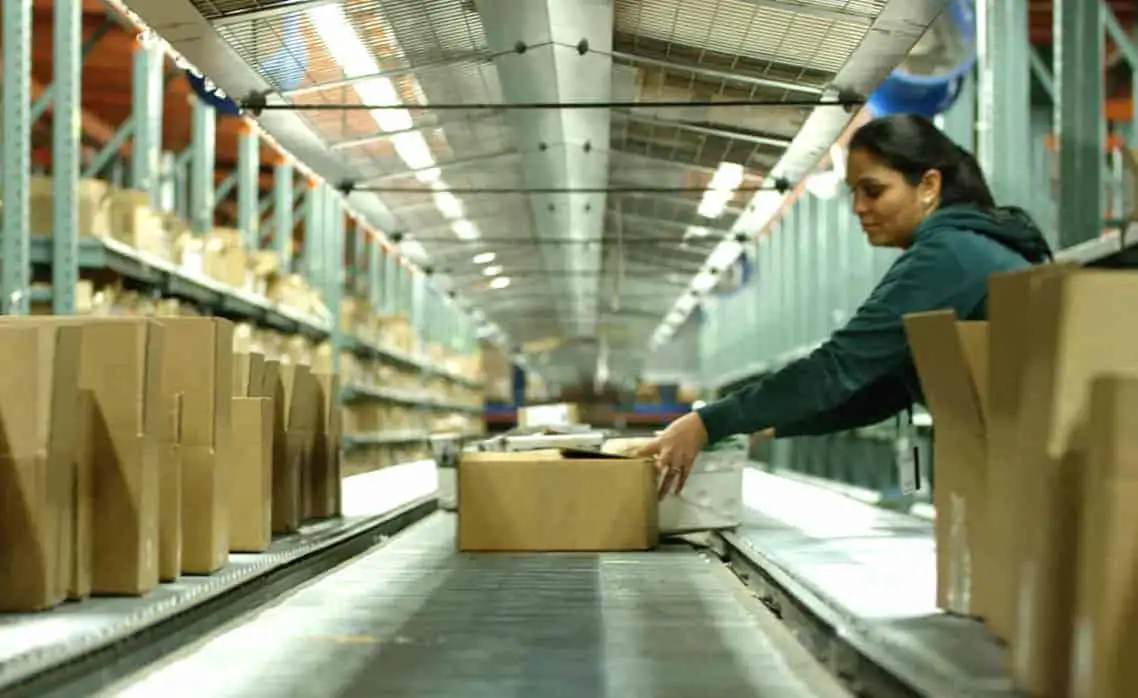
When it comes to supply chain performance, the margin for error is razor thin. Customers expect orders to arrive quickly, accurately, and...
+ Read more
FRANKLIN, IN | September 10th, 2025 – Legacy SCS announced that it has been selected by IPS Corporation, a global leader in Water...
+ Read more
When GForce Arms launched in 2020, the mission was simple but ambitious: deliver affordable, reliable firearms with the speed and...
+ Read more