News & Resources
Guides


Parcel and last-mile delivery is an area of constant pressure for every retailer. In one survey, 89% of retailers admitted they’re struggling with their last-mile operations, despite investing heavily in logistics and technology. Among these, 49% said they lacked flexibility during peak seasons, while over a third couldn’t scale driver capacity as needed.
What makes this so challenging for shippers is that consumers now expect fast, free, reliable delivery while business costs keep rising.
This guide walks you through what parcel and last-mile delivery is, what drives cost, and how to keep both customer satisfaction and margins intact.
Parcel shipping refers to sending small, individual packages, usually under 150 lbs, through major carrier networks like UPS, FedEx, USPS, and regional parcel carriers. These parcels travel from a fulfillment center to a carrier hub, through one or more sortation facilities, and then out for delivery. It’s the most common way ecommerce, retail, and DTC brands get products to customers.
Last-mile delivery is the final leg of that journey: the point where a package leaves the local carrier facility and is delivered to the customer’s doorstep. It can also be the most expensive and unpredictable part of the entire shipping process. Even when everything else goes smoothly, last-mile performance can vary based on route density, driver availability, traffic conditions, seasonal volume, and the accuracy of customer address data.
Together, parcel and last-mile delivery form the customer’s primary experience with your brand. Fast, accurate delivery builds trust. Late or failed deliveries and inconsistent tracking does the opposite. Understanding how these two components work and how they influence cost and service is essential for shippers.
Parcel delivery starts at the fulfillment center where orders are picked and packed, labeled, and handed off to a parcel carrier before entering the carrier’s network.
Once a package is picked up, it’s taken to a local hub where it’s scanned and sorted. From there, it may move through one or more regional facilities depending on distance, service level, and network capacity. Each scan updates the tracking record and helps the carrier direct the package to the right destination.
The final handoff happens at the local delivery station. This is where routes are built, drivers load their vehicles, and the last-mile delivery begins. It’s also the point where cost and predictability become harder to control. Route density, address accuracy, road conditions, and real-time staffing can all affect whether a package arrives on time.
For the shipper, this step-by-step path matters because each phase directly affects how smoothly the parcel travels through these stages. The more aligned your process is with the carrier’s network, the more consistent your last-mile results will be.
The last mile has a reputation for being one of the most expensive part of shipping and for good reason. It’s the only stage where a carrier is delivering one package at a time to individual addresses. Instead of moving freight in bulk, drivers are making dozens of stops per hour, navigating traffic, finding parking, and managing a route that changes day to day. This level of fragmentation makes efficiency hard to achieve.
Cost rises even further when delivery density is low. Urban routes may have plenty of stops close together, but suburban and rural areas require more fuel, more time, and more driver hours for fewer packages. Add in factors like inaccurate addresses or limited delivery windows, and the cost per package increases quickly.
Last-mile delivery is also vulnerable to conditions outside anyone’s control. Weather, peak-season volume, carrier capacity constraints, and staffing shortages all affect how consistent the delivery experience is. Even small disruptions such as late handoffs to carriers or delays in sorting can affect the delivery window.
Most parcel carriers offer several delivery speeds, and choosing the right one has a big impact on cost and customer satisfaction. Faster isn’t always better, and cheaper isn’t always worth the risk. Instead, focus on matching the service level to the situation.
Standard Ground is the most common option. It’s affordable, reliable, and works well for most orders that don’t have strict delivery deadlines. Transit times vary by distance but typically range from two to seven days. For many brands this is the default because it offers the best balance of cost and predictability.
Two-Day Delivery is a good fit when customers expect a tighter delivery window or when products are time-sensitive but not urgent. It’s more expensive than ground, but still manageable for many shippers, especially if the order value supports the upgrade.
Next-Day or Overnight service is reserved for high-value items, urgent shipments, or situations where the customer is willing to pay for speed. The cost jump is significant, so most brands use it strategically rather than universally.
Same-Day Delivery is the fastest option and mostly used in dense metro areas. It’s helpful for urgent replacements, last-minute purchases, or subscription and replenishment products where timing matters. But because it requires tight coordination, it’s best treated as a selective offering, not an everyday service.
The right service level depends on your margins, customer expectations, and how far your inventory sits from the end customer.
The most common issues stem from cost pressure, delivery variability, and the growing gap between customer expectations and carrier performance.
Cost per package is rising.
Last mile remains the most expensive leg of the journey, driven by labor, fuel, and the number of stops required. Delivering one package to one door is inherently costly, and that cost climbs even higher when delivery density is low or when service levels are upgraded to meet customer expectations.
Failed deliveries create unnecessary waste.
A bad address, a missed delivery attempt, or a customer who isn’t home can trigger second and third attempts. Each additional stop adds labor time, delays the package, and increases total shipping cost, often with no easy way to recover those expenses.
Carrier performance varies widely.
Different carriers excel in different regions, and performance can shift quickly during peak seasons. Late pickups, missed scans, and capacity shortages leave shippers managing exceptions instead of running a predictable operation.
Peak seasons amplify every issue.
During holidays or promotional surges, carriers reach capacity faster, delivery windows widen, and tracking updates become less reliable. Without the ability to flex labor, switch carriers, or stage inventory more strategically, shippers are left reacting instead of staying ahead.
Visibility gaps make communication harder.
Customers expect real-time tracking and proactive updates. When data is delayed or incomplete, the brand absorbs the impact down the road.
Improving parcel and last-mile delivery doesn’t always require major network changes. In most cases, small operational adjustments and smarter planning make a noticeable difference in both cost and consistency.
Position inventory closer to customers.
Shorter distances lead to faster, cheaper last-mile delivery. Even adding one regional warehouse or partnering with a 3PL that offers multiple fulfillment locations can reduce transit times and allow more orders to move via economical ground services.
Use more than one carrier.
No single carrier performs the same everywhere. Combining national carriers with regional parcel providers improves delivery reliability, mitigates capacity issues, and often lowers cost per package. A blended carrier strategy lets you choose the best option for each zone or shipment type.
Validate addresses before shipping.
Bad addresses are one of the easiest problems to prevent. Using address-verification tools at checkout or before label creation reduces failed deliveries, improves first-attempt success rates, and saves unnecessary re-delivery costs.
Right-size your packaging.
Carrier surcharges for oversize or poorly dimensioned packages add up quickly. Using packaging that matches the product’s size, especially for lightweight items, helps avoid dimensional-weight fees and lowers your shipping spend.
Improve tracking and communication.
Clear order updates and real-time tracking reduce WISMO (“where is my order?”) contacts and build trust. When customers know what’s happening, delivery issues feel far less disruptive and fewer support tickets reach your team.
Align order cut-off times with carrier pickups.
Even a slight mismatch between warehouse workflows and carrier schedules can delay delivery by a full day. Ensuring fulfillment teams and carriers operate on synchronized timelines keeps packages moving without unnecessary holds.
Together, these strategies work together to create a more predictable, cost-effective last-mile operation.
Because we handle fulfillment and transportation together, we can control the details. We also give you flexibility. Instead of relying on a single carrier, we plug you into a network of vetted national and regional partners so you always have options. And with cross-border fulfillment locations, we can place inventory closer to your customers, which often cuts transit times and lowers cost without changing your service promise.
When you’re ready to simplify parcel and last-mile delivery, we’re here to help.
What is last-mile delivery in shipping?
Last-mile delivery is the final step of the shipping process, where a package travels from the carrier’s local facility to the customer’s doorstep. It’s the most costly and variable part of the journey because drivers make individual stops, routes change daily, and delivery conditions are harder to control.
Why is last-mile delivery so expensive?
The last mile requires more labor, more time per stop, and more fuel than any other part of the fulfillment chain. Drivers are delivering one package at a time, often across wide areas or congested neighborhoods, which raises the cost for each shipment.
What causes most last-mile delivery delays?
Delays typically come from traffic, weather, inaccurate addresses, carrier capacity issues, or late handoffs from fulfillment centers. During peak seasons, demand spikes make these delays even more common.
What’s the difference between parcel and last-mile delivery?
Parcel shipping covers the entire journey a package takes from a fulfillment center to the carrier network and through regional hubs. Last-mile delivery is only the final segment of that journey, where the carrier brings the package directly to the customer.
What is a failed delivery attempt?
A failed delivery happens when a driver can’t complete the delivery due to an incorrect address, restricted access, a missing unit number, or the customer not being available for required signatures. Failed attempts add cost and delay the package.
How can shippers reduce last-mile costs?
Reducing last-mile costs usually comes down to better planning—using the right service level, validating addresses, optimizing packaging, and choosing carriers based on performance by region. Positioning inventory closer to customers also helps lower cost and improve speed.
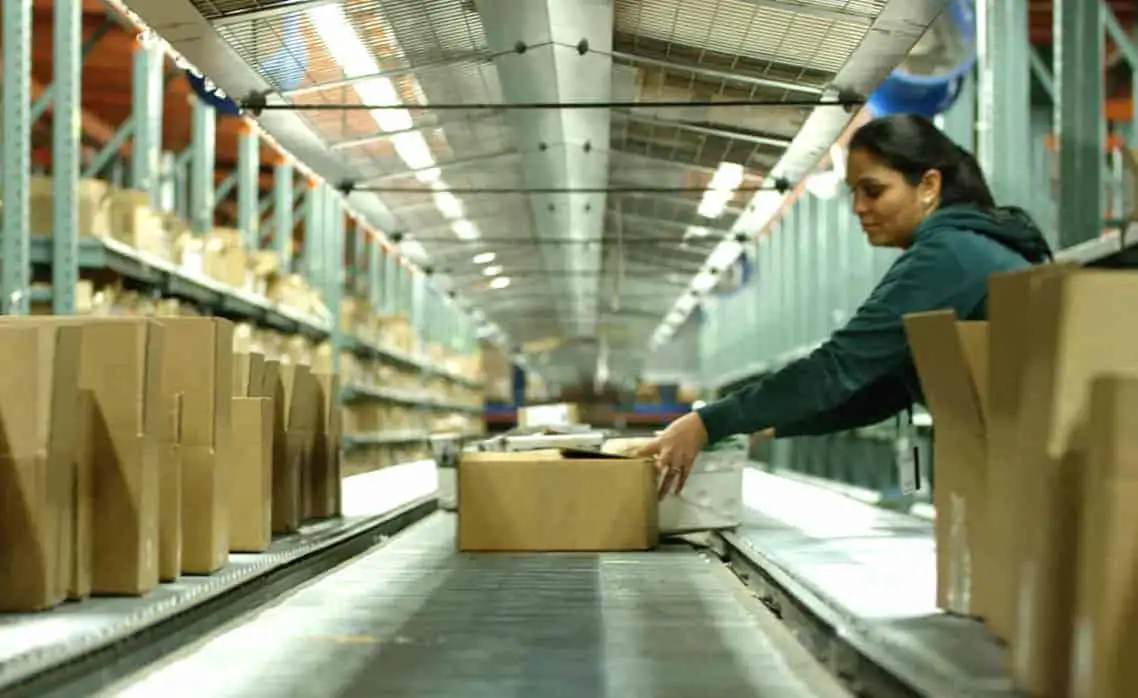
When it comes to supply chain performance, the margin for error is razor thin. Customers expect orders to arrive quickly, accurately, and...
+ Read more
FRANKLIN, IN | September 10th, 2025 – Legacy SCS announced that it has been selected by IPS Corporation, a global leader in Water...
+ Read more
When GForce Arms launched in 2020, the mission was simple but ambitious: deliver affordable, reliable firearms with the speed and...
+ Read more